
The Secret Agent
and memories of other brave films


“Guess where I saw the movie? Right here. The Boa Vista Cinema, where I saw Jaws.
It’s changed a lot.
It has. It’s a different place. And now I work here.”
- Fernando & Flavia, The Secret Agent
Or to put it another way, it ain’t dere no more.
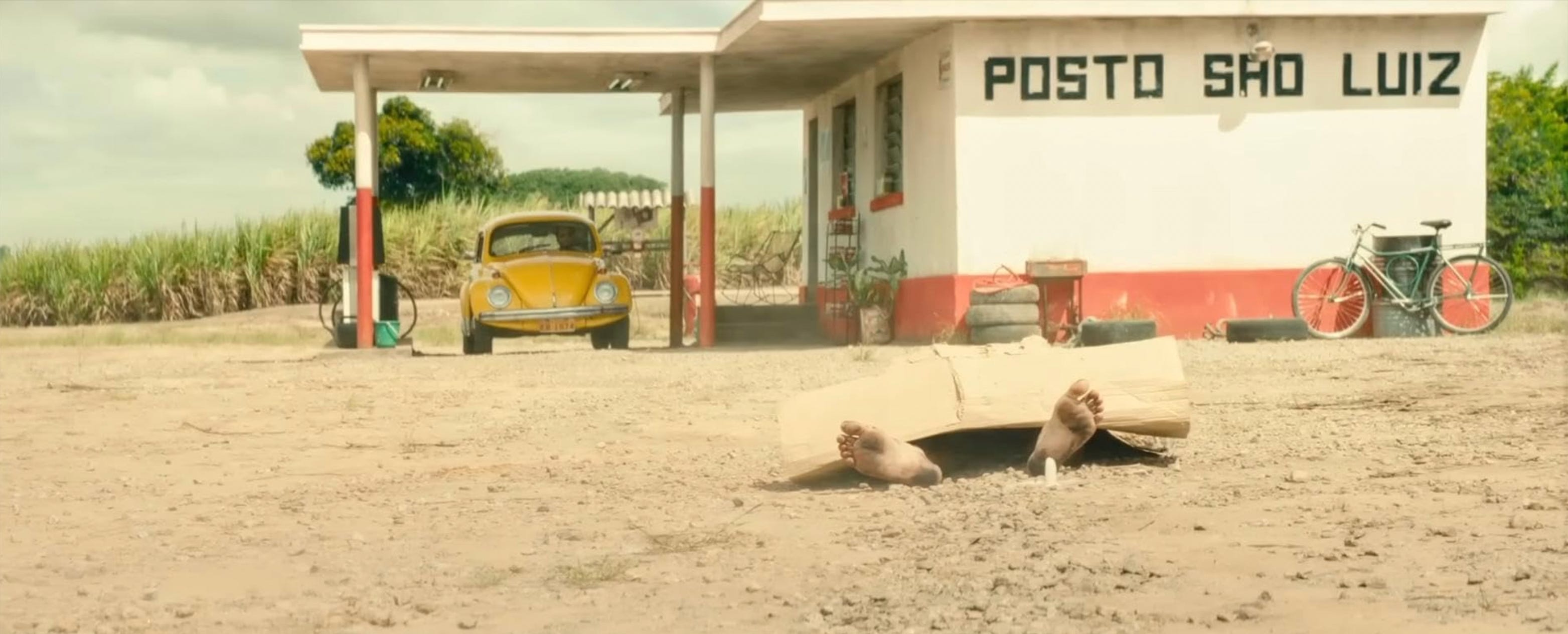
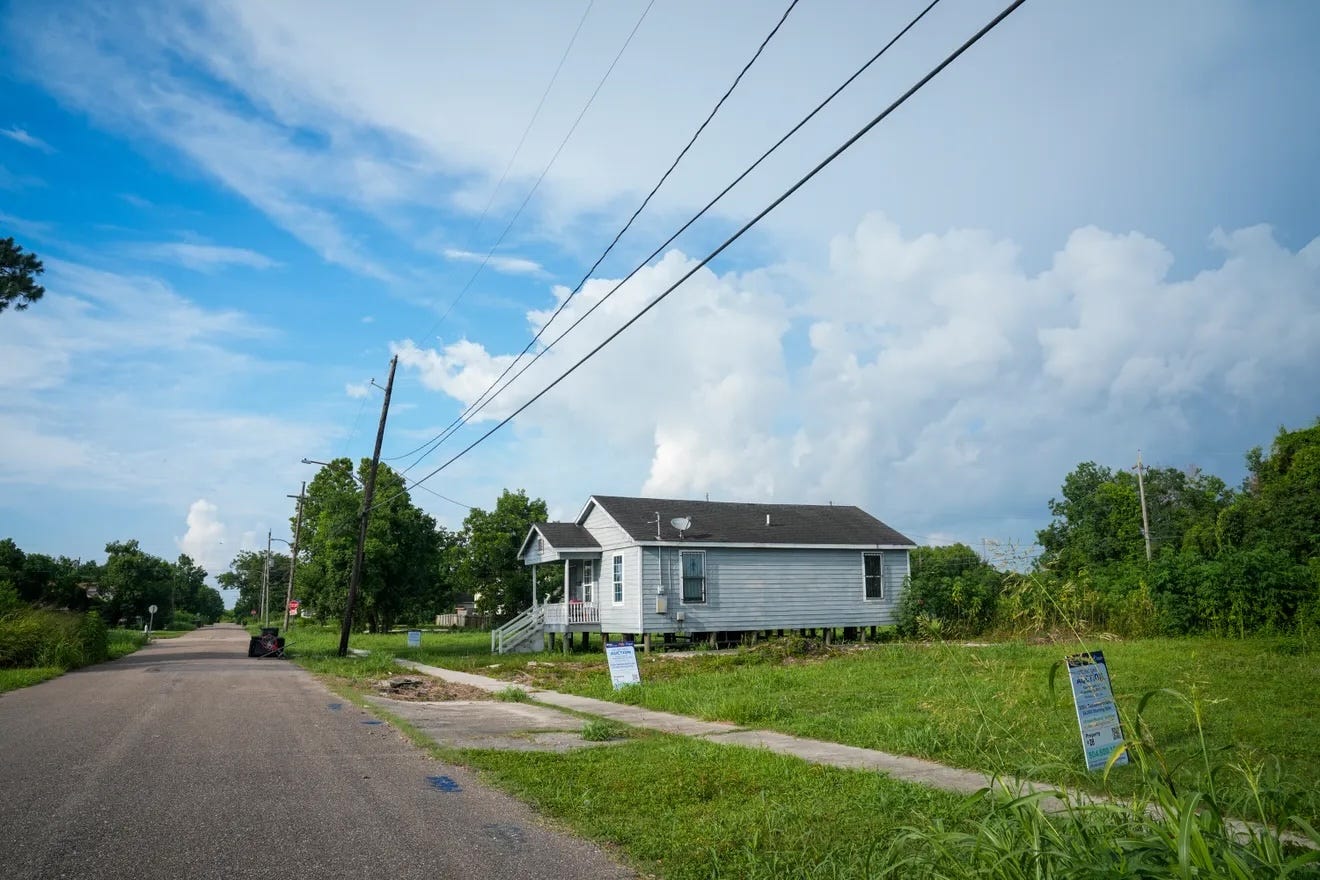
Cracked blue paint chips sprout from the earth, a bloom of decades old destruction. They scatter through tall grass and soil like seeds that, in some other life, might grow into a home.
The lower 9th ward is a neighborhood power washed into oblivion, wood and flesh corpses alike long overtaken by earth. Husks of houses scarred by X’s demarcating the amount of bodies found inside still line the rolling sidewalks, only to be outdone by whole blocks of grass. Everything that was there is gone, no clues as to where it went.
And whoever knew what once stood here is gone. I can’t ask them.
I’m home location scouting for a film, searching for a low-down convenience store. But I can’t help but stop at every broken block as I drive through New Orleans’ neighboring parish of Saint Bernard. The empty and the abandoned. One decaying house, shrunk so far into the ground that it is little more than a roof, is lined by a labyrinth of distorted wrought iron. Maybe a gate once upon a time.
Amongst the wreckage that no longer looks like wreckage, but a dead home that has always just been that, is the only structure left standing. A bathtub, jutting out of the dirt. Beneath its warped arch is a knee-high statue of The Virgin, the tub’s iron rim a steadfast halo. But her fingers are missing, supplanted somewhere nearby, or maybe somewhere far, and her cloak’s blue paint is stark, subleached. Her eyes are soft, hollow. Her nose and mouth are worn away by wind, rain. This Virgin is an expressionless sort.
I can’t ask her where the owners are. She can’t wink an answer back.
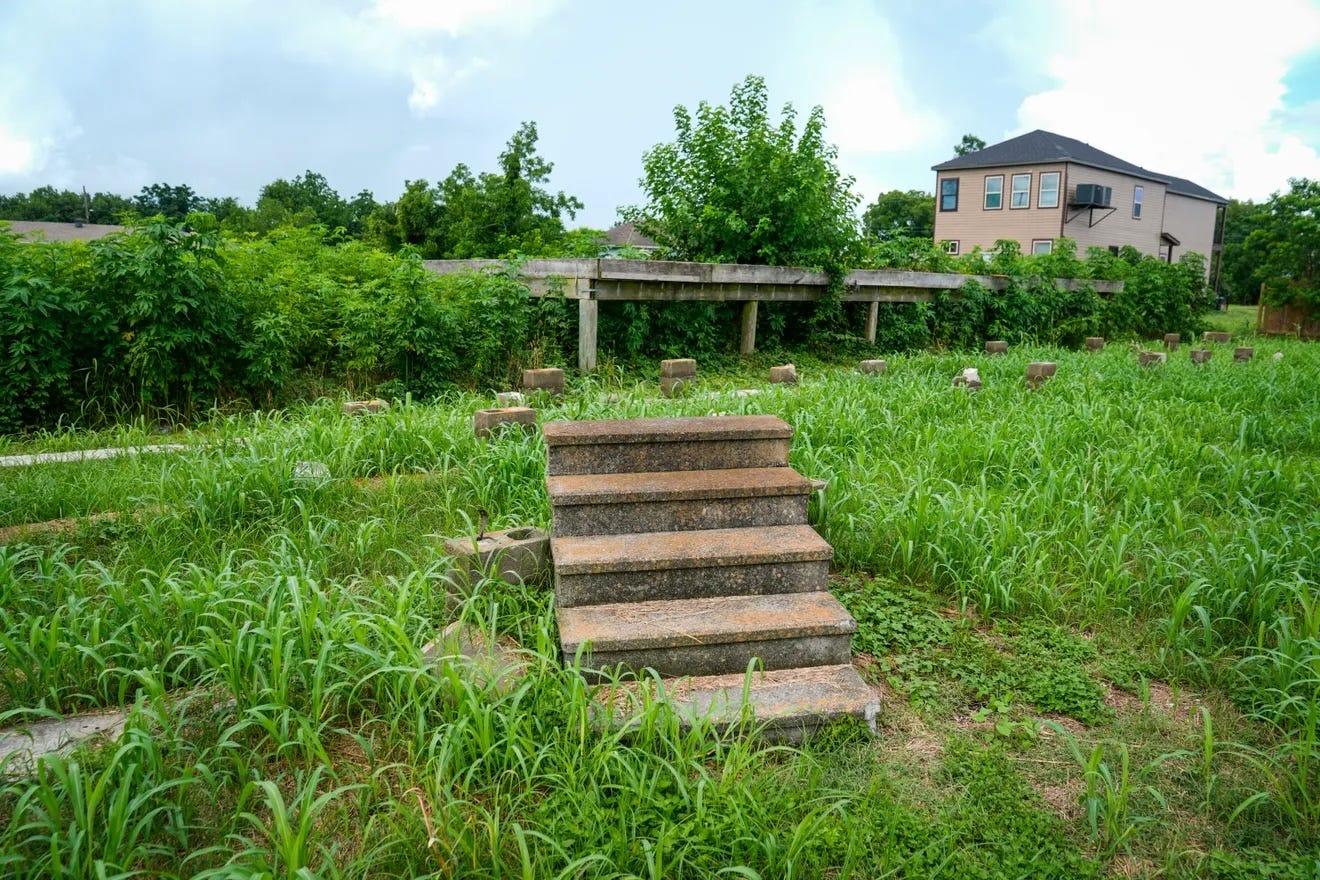
I spent much of last June beneath oppressive sun, gasping for air wetter than my own mouth, in Saint Bernard Parish, a working class tract of farm-land, oil refineries, and ex-urban communities just east of New Orleans. Surrounded by canals, bayous, and ports, Saint Bernard is little more than an island, hanging to solid ground by threads of highways and its fingertips.
But the waterways that built Saint Bernard were also the cause of its demise exactly 20 years earlier. It’s 2025. August is coming.
The Lower 9th Ward, Chalmette, and a little further east, the aptly named “East.” Saint Bernard was washed away during Hurricane Katrina. Maybe washed away is a gentle phrase for the walls of water that obliterated miles of civilization. It was such a violent washing, in fact, that many survivors report the first levee breach as sounding like a bomb.
Bombs don’t draw bubble baths.
And was it a bomb? Or an untethered barge? Or the fact that our levees were never strong enough to hold in the first place? And for all the autopsies, press releases, and the drunk, sad conversations on porches, it’s an argument that continues today.
But for the ensuing two decades, the communities that once lived here haven’t been allowed to return. Or at least, were never encouraged to do so. This land is explosive, rich and dangerous, and the local government, incentivized by oil companies, insurance, and Airbnb, never gave the promised assistance to rebuild. Just provided miles of blue tarps and FEMA trailers. So many never came back, their knowledge and stories as much a mystery to me as those still buried on this land.
I park in the small neighborhood of Violet, across from a law office that is now a pentecostal church. I slip into a threadbare convenience store with Grab & Go haphazardly painted on a plywood sign atop the door. This is where I would ultimately film a short about a fried fish sandwich and the death penalty.
According to my parents, it was once a Time Saver. And it ain’t dere no more.
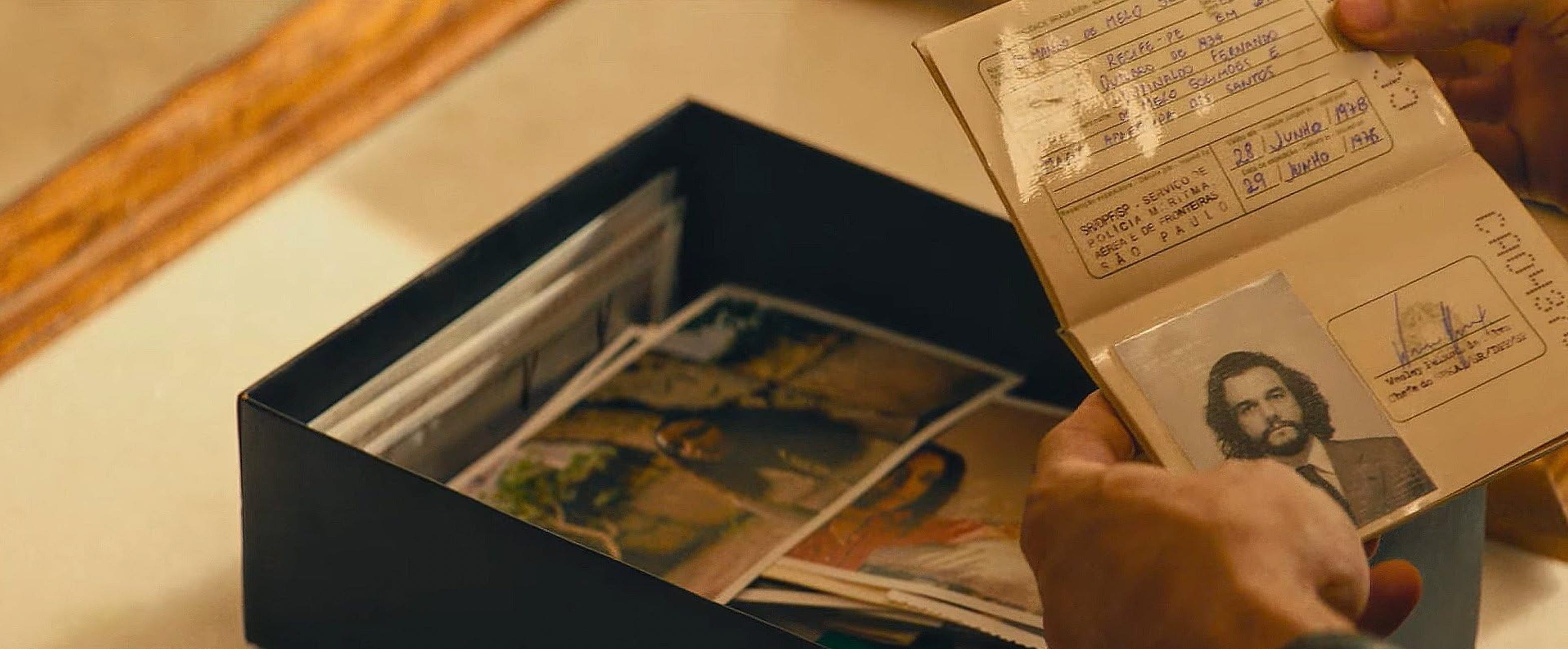
The Secret Agent, directed by Kleber Mendonça Filho, is not a film that requires much of an introduction. It has been rightfully lauded amongst both high-brow critical circles and your more common movie-goers, its beautifully woven themes on memory, collective amnesia, and forgotten histories, both highly specific to the 1970s Brazilian dictatorship, and universal enough to inspire every soul I’ve spoken to about it to ache over their own lost pasts. Word of mouth tales about how they came up, those that once meant something to them, who they used to be.
We all have stories like this.
The Secret Agent follows Armando, a technology researcher, as he returns to his hometown of Recife under the threat of persecution from Girotti, a corrupt industrialist with ties to Brazil’s dictatorship. Under the name Marcelo, he goes into hiding with a slew of other political dissidents and reconnects with his family, hometown, and memories of his wife. But once he learns a hit has been put out on him, he formulates a plan to leave the country with his son, Fernando.
This is the most plot-driven way to describe The Secret Agent and truly does not provide the heart of its happenings nor encapsulate what the film explores. Yes, the political thriller spine keeps the film upright, the driving promise of violence providing its stakes. But its flesh and blood is more akin to a darkly comedic, occasionally surreal hang out film. Like the two-headed cat camped out in Armando’s safe house apartment, The Secret Agent is an amalgamation of bodies, characters, genres, storylines all unified under the theme of memory.
And what better way to approach it, something so often cobbled together by brief flashes, false images, and infected by others’ recollections – sometimes purposeful, sometimes mistaken.
The Secret Agent postures that history is an argument, an ongoing negotiation between what we know and what we’ve been told.
So what better (and more fun) way of depicting that argument, than amongst the joyful who’s who of Recife under life in a sweating, corrupt dictatorship.
****SPOILERS BELOW****
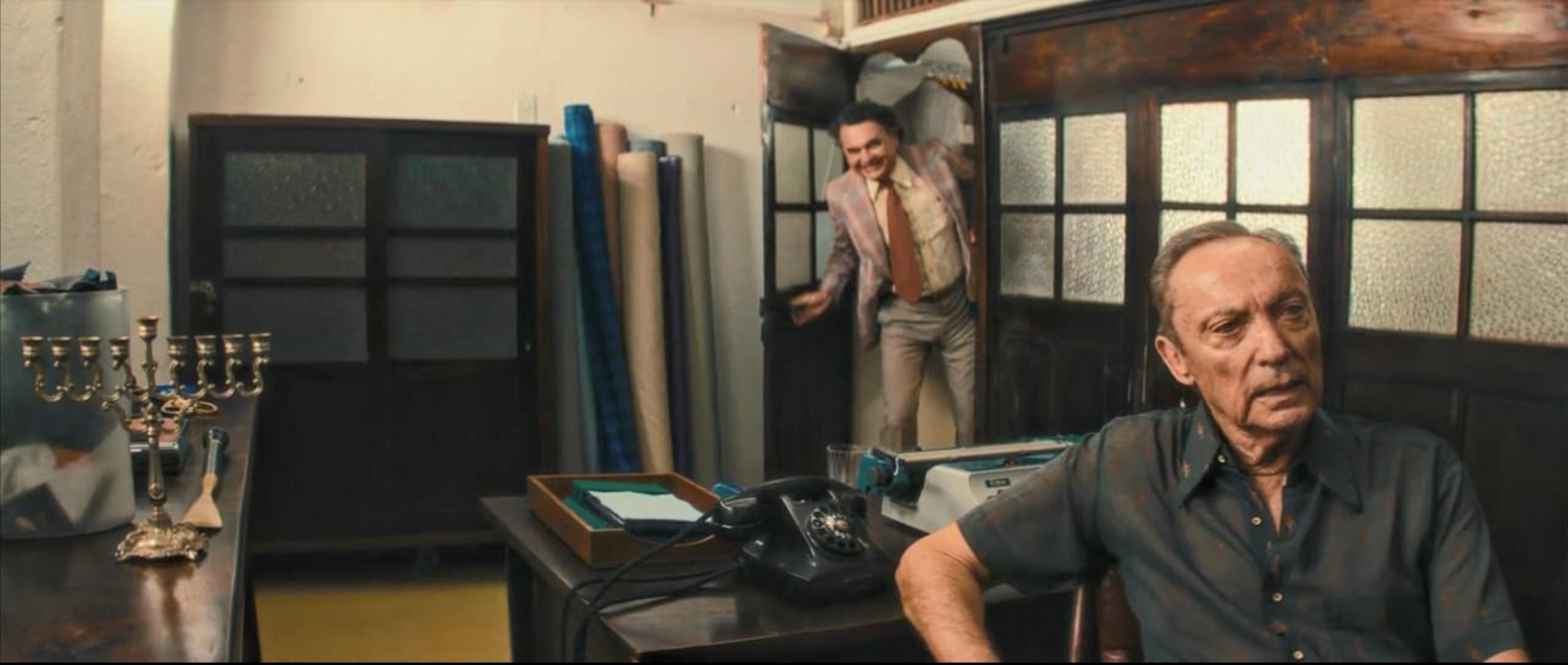
The intersection of history and memory is utilized in different facets, humorous, plot-driven, emotional. Even the title is a misrepresentation in as while Armando is living in secret, he’s certainly no agent. He’s a common man who’s being treated like one.
One scene in which Armando offers a recorded recollection of the events that led to his persecution in exchange for a forged exit from the country, functions as pure emotion. He describes the corrupt officials’ attempt to steal a patent of his and the violence that ensued, but upon his father-in-law, the limping, lovable, Mr. Alexandre, entering the session, he winds back the tape so to speak. He tells the tale of a dinner at which his late wife, Fatima, confronted Girotti, calling him a weak nothing, unlike her father who worked from the age of 9, and was a real man.
Fatima’s ‘fuck you’s’ give way to a brawl between Armando and Girotti’s son, but Mendonça cuts away from the past’s fallout. Instead he places us with Alexandre, who quietly asks Armando if Fatima really said that about him. At Armando’s nod, Alexandre says only, “Alright. Okay, then.”
Never has an okay then made me weep.
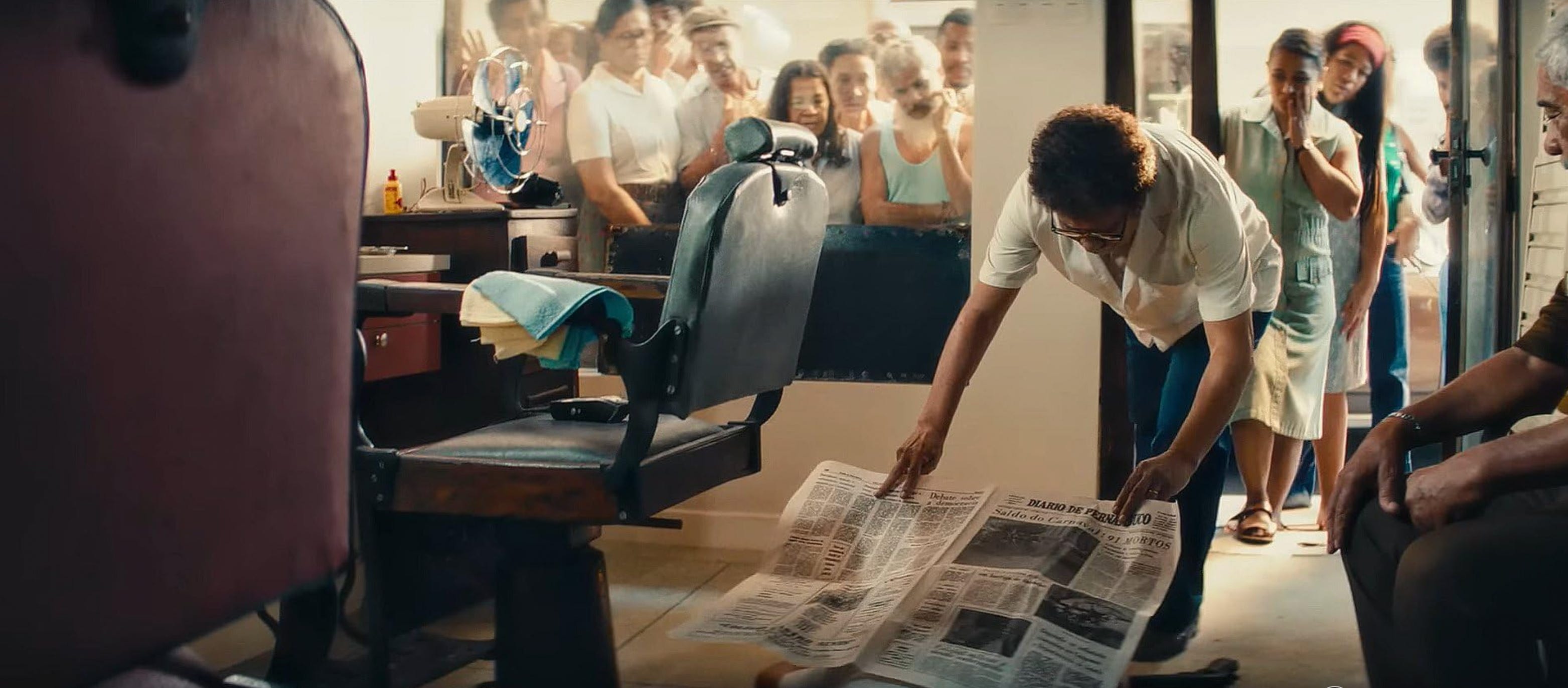
An entire segment of The Secret Agent is dedicated to a severed leg, which ostensibly belonged to a victim of Recife’s corrupt police chief, terrorizing a queer lovers’ lane. This tone shift comes nearly two hours into the film, and in all its grindhouse glory is a goofy departure from all that has come before. But the newspapers are printing this heinously fake story to cover for the chief. No one reading this news story will ever truly know what happened to that victim or why, they’ll only remember the funny story about a leg interrupting a blow job.
And that’s the point. The Secret Agent will never tell us who that victim really was.
This is also a political thriller that, while showing the unsuccessful first attempt on Armando’s life, refuses to depict his eventual assassination. The audience is clued into only facts of his demise via a news clipping that reveals Armando was shot and killed, likely the same day as he is wearing the same striped shirt. But even so, its peach streaks appear in black and white, the newsprint’s false justifications of his death having drained all color.
The balls on Mendonça.
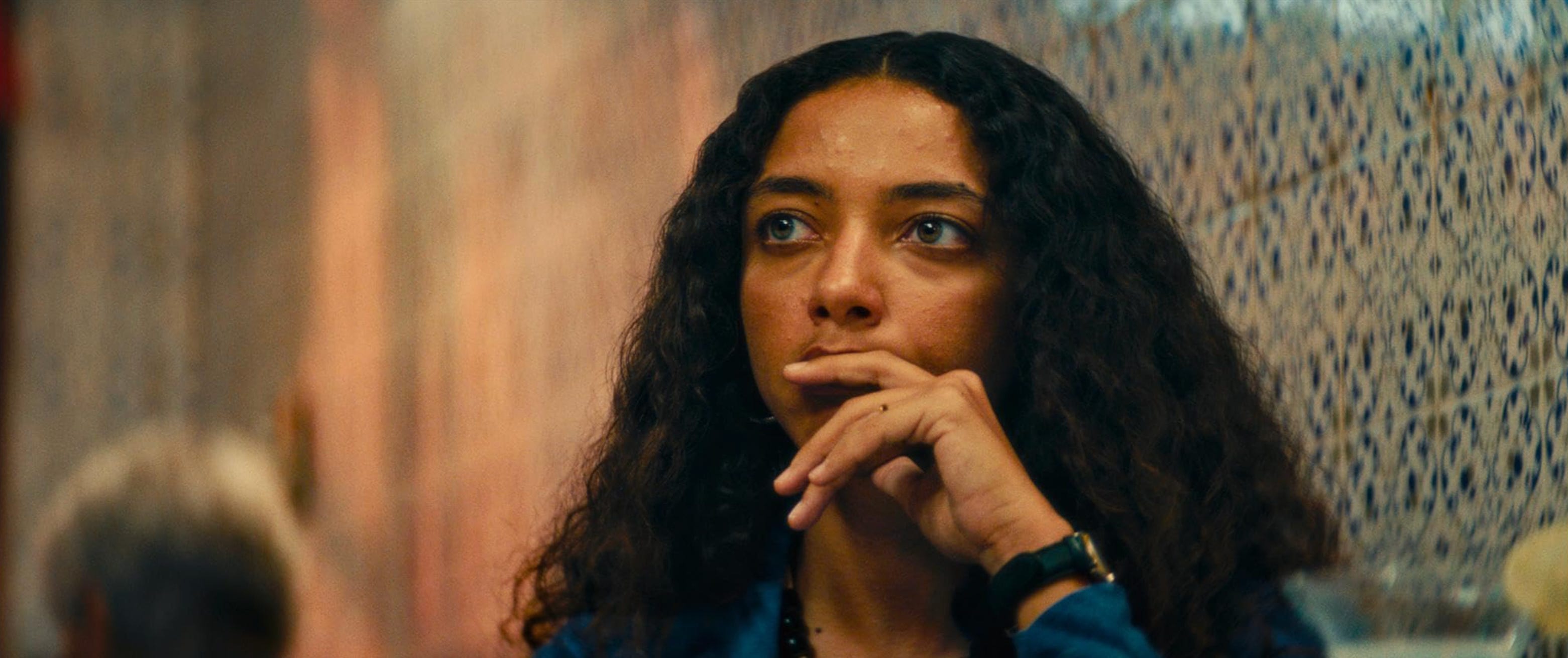
And, of course, the frame of Flavia, a present day researcher transcribing the tapes, unveils the greatest injustice of the film. Fernando, now a grown man, a doctor with the same shambling gait of his grandfather doesn’t remember his father at all. And he doesn’t know that it was Armando, not Alexandre, who refused to let him watch Jaws.
This film is a memory of a memory of memory. Beneath hazy layers of who that leg belonged to, of who really said what at that fateful dinner, of who truly killed Armando, The Secret Agent feels like a distant memory itself.
I have memories of movies like The Secret Agent, felt like The Secret Agent, took meaningful risks to make meaningful points like The Secret Agent. And like Time Savers, obliterated homes in the lower 9th ward, these movies don’t exist anymore. But I remember them.
Yet I can’t point to what those movies are. Were.
It’s been too long and I’m getting old. Well. Maybe Weapons.
I have griped often and openly about the state of independent cinema, a festival-, fellowship-driven contest of perfection that has all too often become a race to the bottom of boring. The same stories wearing different clothes, all fitting neatly within a three act sample size.
No wasted breath, a clear hero’s journey, an internal problem solved.
Of course, this is necessary to know, but because the American ‘independent’ filmmaking process is so gamefied, our storytellers do not take risks like Mendonça. Not anymore, because a risk, even if done well, likely means a pass.
I think back to a risky film that won Sundance – back in 1987. Sherman’s March, a documentary in which the director, Ross McElwee, sets out to make a documentary about none other than Sherman’s March, but instead winds up making a film about all of the women he’d like to date. The documentary meanders through states, women, survivalist off-gridders, and Mormon jumpscares, ultimately landing McElwee back where he started: no girlfriend, no doc about Sherman’s March, and few lessons learned.
It’s a genius, human piece. Mostly because it’s unconcerned with what it’s supposed to be.
The Secret Agent is also unconcerned with what is expected of it. And just is.
There are moving surprises throughout The Secret Agent, that surely would have been killed in workshops, the naysayers even echoed in my head upon my first viewing: sure the two headed cat is interesting, but do you need it? I’m craving more clarity on what really happened to Fatima. We’re spending a lot of time with characters who don’t relate much to the main plot.
Yes, and thank god for that.
So much of what makes The Secret Agent special would have likely been sacrificed at the altar of concision, of perfection, of length for length’s sake. All markers that win certain scripts, projects, up-and-comers their career trajectories in today’s industry.
And there isn’t an ecosystem that nurtures dramatic risks, like those taken by The Secret Agent. The “independent” track and the so-called establishment have become one and the same, with these independent arenas sanding down ideas long before they ever reach the top. It’s the first filter. Fellowships, labs, and competitions shape projects early and in a particular image, before funneling them forward. As a friend in that world recently revealed, three out of five Nichols Fellowship winners were Sundance Lab scripts, even though they weren’t disclosed as such by The Academy.
The very same Academy that nominated The Secret Agent after it had won ample accolades elsewhere.
It seems risk and invention are celebrated in this industry only after the fact. Because where are these films? Why aren’t we making work like this in the US? Or are we, and they’re languishing on some forgotten hard drive, a pitch lost to some assistant’s desk, a script killed because the writer thought it didn’t have a future?
What is the future of independent film, if we are only rewarding the safest work? If we are disincentivizing such risk?
We won’t be seeing any more Secret Agents. At least not here.
They’ll become some reflection of a memory, some worn down statue without an expression. And without answers as to where they all went.